AI vs management consultants: what changes, what stays the same.
The honest answer, from a platform used by strategy teams and consultancies. AI now dominates the structured, evidence-heavy layer of consulting work. Human judgment still owns the trade-offs, the room, and the accountability. The winning move is not to pick a side.
Request a demo
Four questions leaders actually ask.
Will AI replace management consultants?
Not the good ones. AI is replacing the analyst tier that produced structured evidence, market maps, and first-draft frameworks. It is not replacing the partner who owns the decision, reads the room, and takes accountability for the recommendation. The consulting business model is being rewritten from the bottom up.
What does AI do better than a junior consultant?
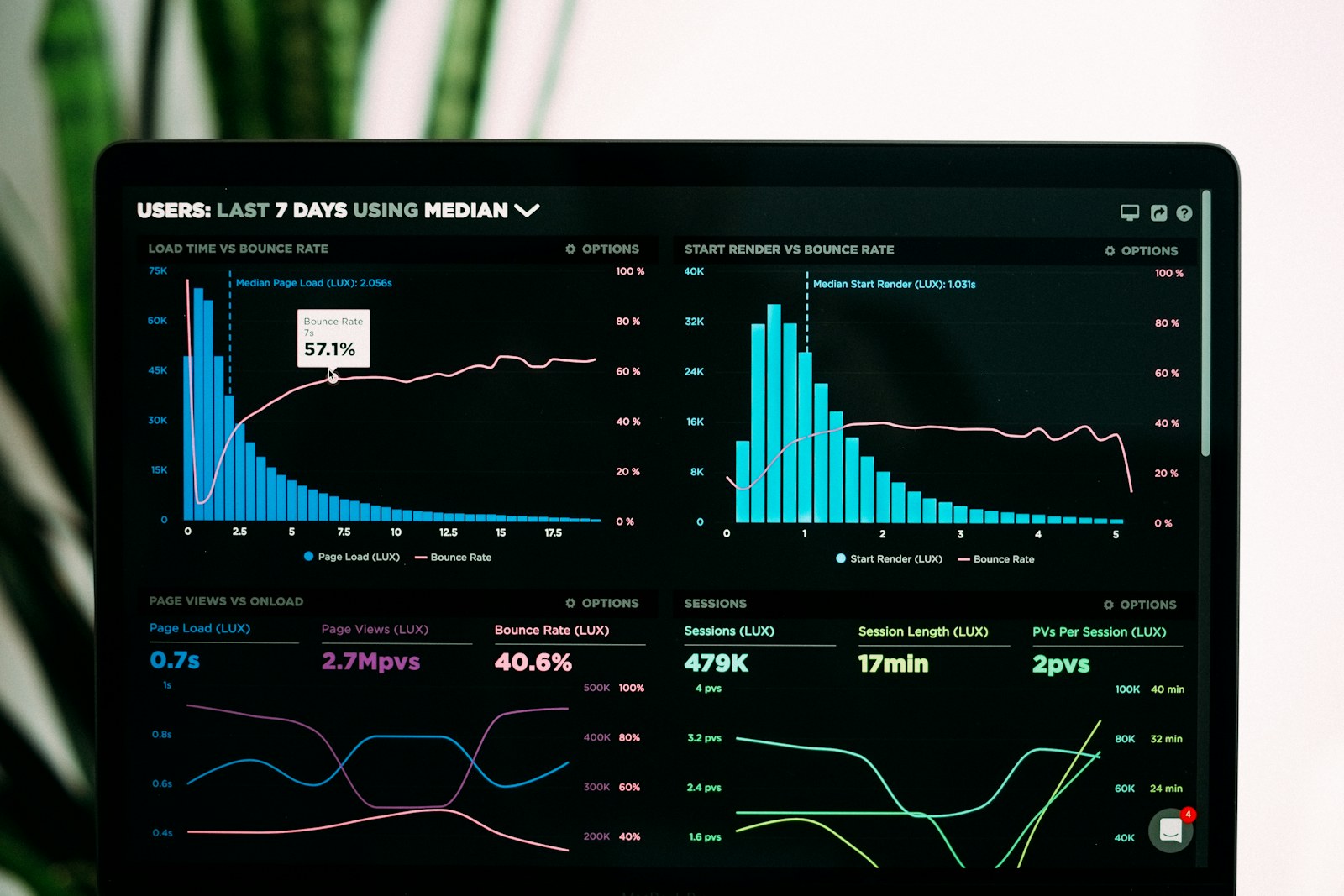
Ingesting 300 pages of documents in minutes. Triangulating across sources without missing a footnote. Enforcing MECE structure by construction. Reconstructing arithmetic and flagging inconsistencies. Producing an action-title deck with a full source register. All the parts of consulting work that used to eat a weekend.

What still needs human judgment?
Choosing which question to answer. Weighing trade-offs the data cannot resolve. Reading the boardroom. Sequencing execution. Owning the recommendation when it goes wrong. AI compresses the preparation. Humans still make the call, and still carry the accountability.
How do leading teams combine both?
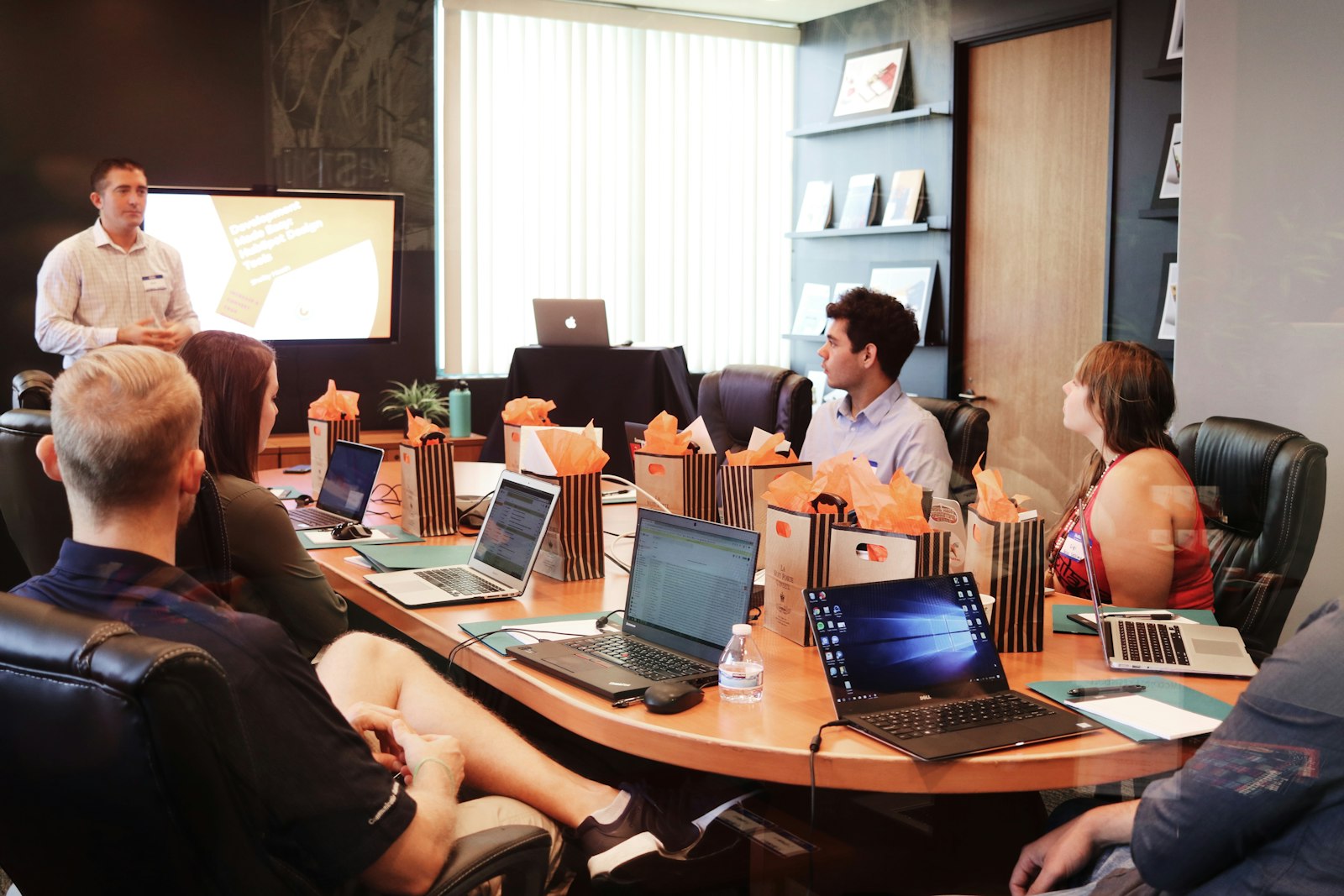
They give AI the structured layer, scope, evidence, MECE analysis, first-draft deck, and reserve their partners and senior consultants for the trade-off and the defense. Cycle time drops from weeks to hours. Quality goes up, because every claim is traceable to a source. The consultants that adopt this move win the next decade.
Explore the Decisity platform
AI is not making consulting worse. It is exposing which parts of consulting were never really worth billing for.
Frequently asked questions
Not the strong ones. AI is replacing the structured evidence and first-draft deck work that used to be produced by junior analysts. Senior consulting judgment — choosing the question, weighing trade-offs, defending the recommendation in the room, sequencing execution, and taking accountability — is not being replaced. The consulting business model is being rewritten from the bottom up, not eliminated.
Ingest and index hundreds of pages of documents in minutes. Triangulate evidence across sources without missing footnotes. Enforce MECE structure by construction. Reconstruct and validate arithmetic. Produce an action-title deck with a full source register. AI compresses the parts of consulting work that were previously the analyst tier.
Choosing which strategic question is worth answering. Weighing trade-offs the data cannot resolve. Reading the boardroom. Sequencing execution. Owning the recommendation when it goes wrong. Any judgment call that lives above the evidence still belongs to a human, and any AI vendor claiming otherwise is overselling.
A general-purpose chatbot writes plausible text. Decisity is a strategy-specific platform: it takes a structured project scope and your own documents, runs a multi-agent pipeline with specialist analyst modules, produces MECE analysis with named workstreams, validates arithmetic with Python, and renders a deterministic PPTX with a source register where every claim is clickable to its origin. The output is a defensible deck, not a paragraph of prose.
Firms that priced the analyst tier as billable hours should be. Firms that price judgment, access, and accountability should not. The consultancies winning right now are the ones that use platforms like Decisity to compress the structured work, and reserve their partners for the trade-off and the defense.
Every number and recommendation in a Decisity deck is clickable to its underlying source in your documents, with page-level attribution. Arithmetic is validated by Python. Confidence is scored and uncertainty is flagged. Nothing is invented, and nothing is hidden. That is what makes the deck safe to walk into a board or an investment committee.
See the augmented workflow on your own scope.
Book a 30-minute walk-through with your own strategic question and one document. Leave with a preview of the deck Decisity would produce, and a clear view of where AI and human judgment split.
Request a Demo